BUILT ON TRUST,BACKED BY SCIENCE
Purity, safety, and compliance in every vial. Clinical-grade research peptides, delivered with integrity from formulation to your doorstep.
Authenticity Guaranteed.WITH BATCH-VERIFIED COA- PremiumQuality
- Clinical-GradeResearch
- PurityYou Can Trust
SECURE PAYMENT OPTIONS


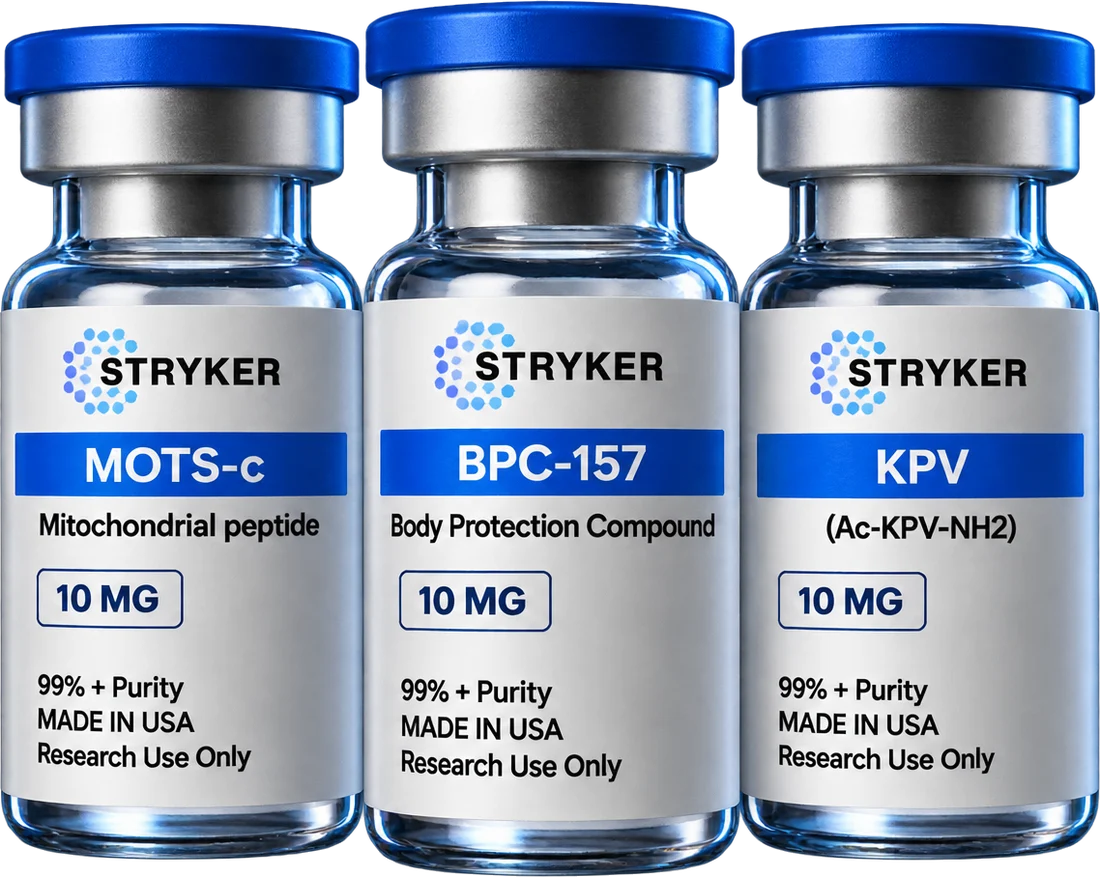
YOUR TRUSTED SOURCE FOR PEPTIDES
- OVER 99% PURITY
- IN-HOUSE AND THIRD PARTY TESTED
- TESTED IN THE USA
🔬 Pharmaceutical-Grade Quality
Every peptide undergoes rigorous third-party testing to ensure purity and potency, meeting the highest industry standards.
🧪 Research-Focused
Our products are designed exclusively for in-vitro research use, supporting scientific advancement and discovery.
🚚 Fast Shipping
Free shipping on US orders over $200. Flat rate $8.99 for all other orders in the continental US. Quick processing and reliable delivery.
The science
What Are Peptides?
Peptides are short chains of amino acids — the fundamental building blocks of proteins. They occur naturally in every living organism and act as biological messengers, signaling cells to perform specific functions with remarkable precision. Unlike larger protein molecules, peptides are small enough to interact directly with receptors and enzymes, which is what makes them among the most targeted compounds studied in modern laboratory science.
The study of peptides dates to the early 1900s, when Emil Fischer first described the peptide bond — the chemical linkage that joins amino acids together. Peptide research accelerated dramatically through the 1980s and 2000s as biotechnology matured, recombinant DNA techniques improved, and solid-phase peptide synthesis (SPPS) made large-scale production feasible.
Milestones in peptide research
- 1953Vincent du Vigneaud synthesizes oxytocin — the first chemically synthesized peptide — work recognized with the 1955 Nobel Prize in Chemistry.
- 1960s–70sIdentification of endogenous opioid peptides and gut hormones such as glucagon and secretin.
- 1980sThe first recombinant peptide products reach approval, including human insulin and growth hormone.
- 1990sRapid expansion of GnRH analogues, natriuretic peptides, and the earliest GLP-1 literature.
- 2000s–10sAdvances in synthesis purity and delivery systems; the secretagogue class emerges in the literature.
- 2020sPeptide research expands rapidly across academic and industry labs, and longevity-focused peptides draw serious scientific attention.
This section is a summary of the published scientific literature, provided for educational context only. It does not describe the properties, intended use, or expected effects of any product sold by Stryker Peptides. All materials we supply are intended strictly for in-vitro laboratory research by qualified professionals, are not drugs or dietary supplements, have not been evaluated by the FDA, and are not for human or veterinary use.
POPULAR PEPTIDES
-

5-Amino 1MQ (10mg)
$60.00 -
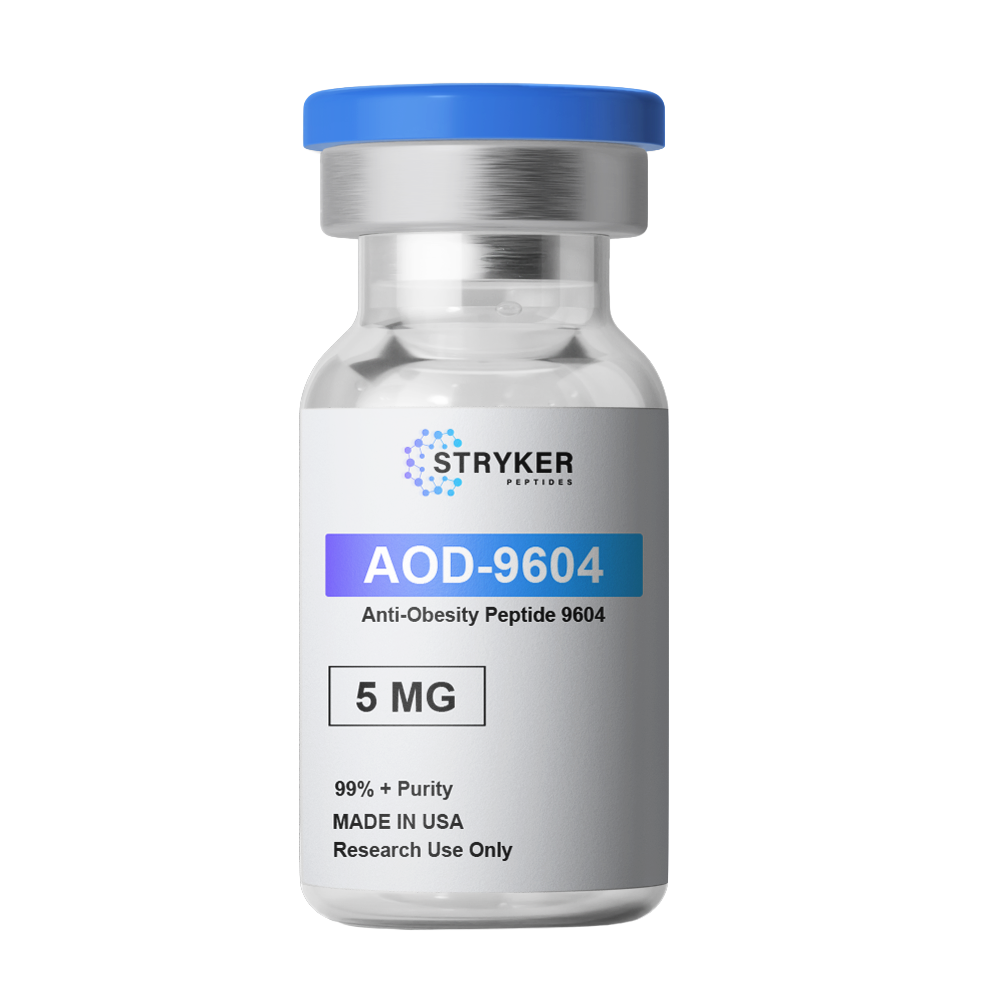
AOD-9604 5mg
$60.00 -

BPC – 157 (10mg)
$75.00 -

CJC-1295 (No DAC) (5mg) / Ipamorelin (5mg)
$100.00 -
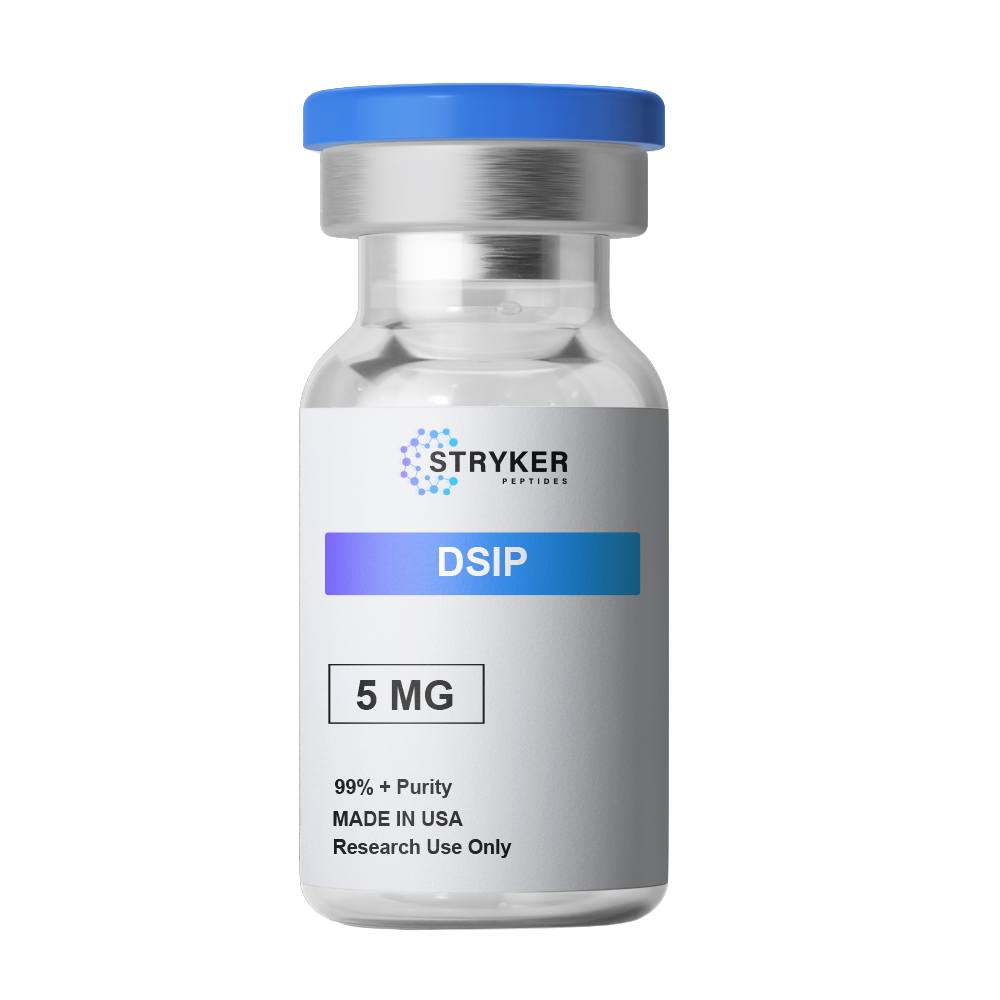
DSIP 5 mg
$60.00 -

Epithalon 100 mg
$250.00 -
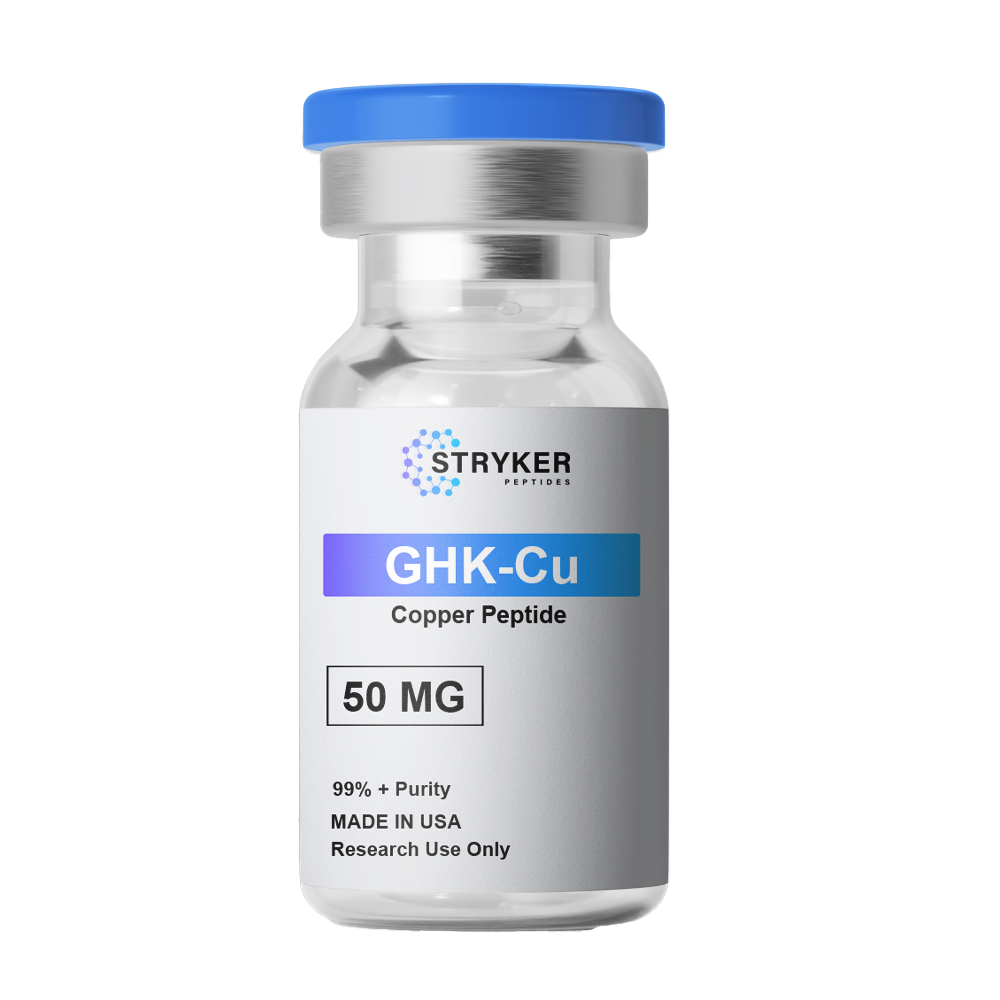
GHK-Cu (copper) 50mg
$50.00 -
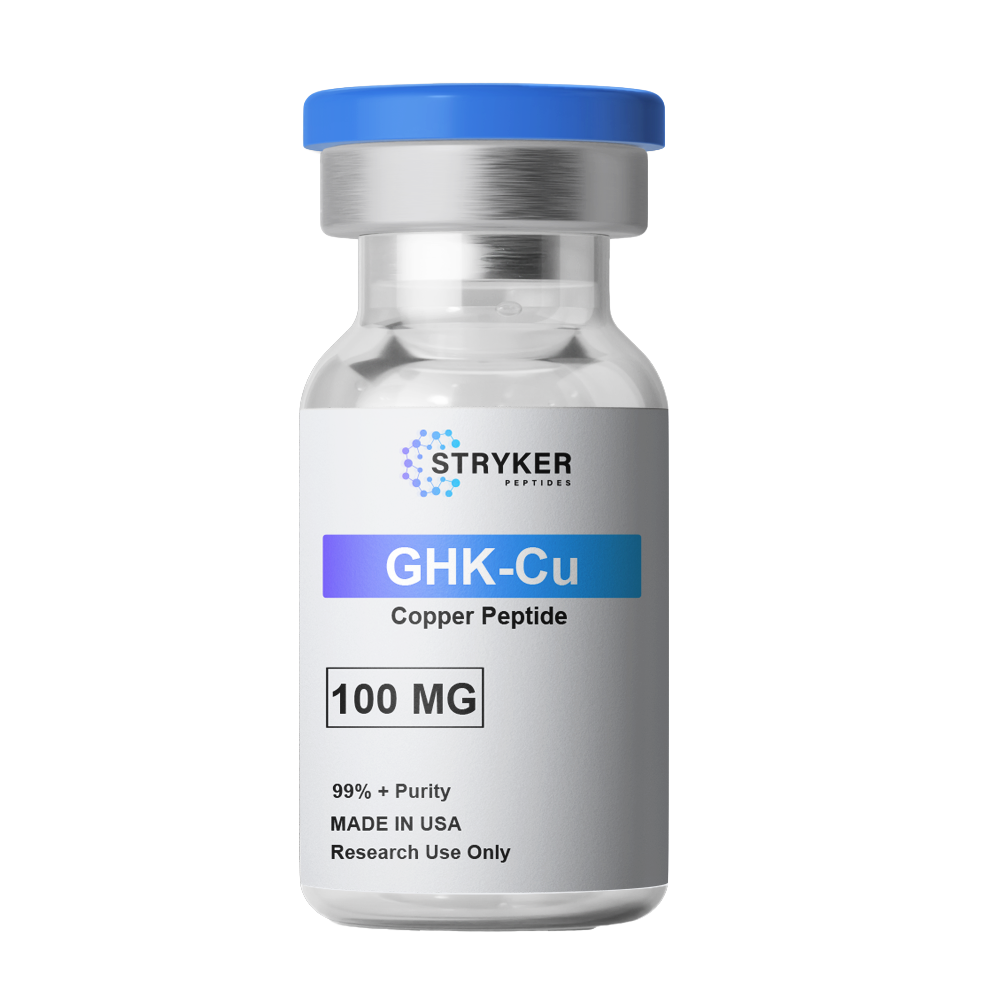
GHK-Cu (copper) 100mg
$80.00 -
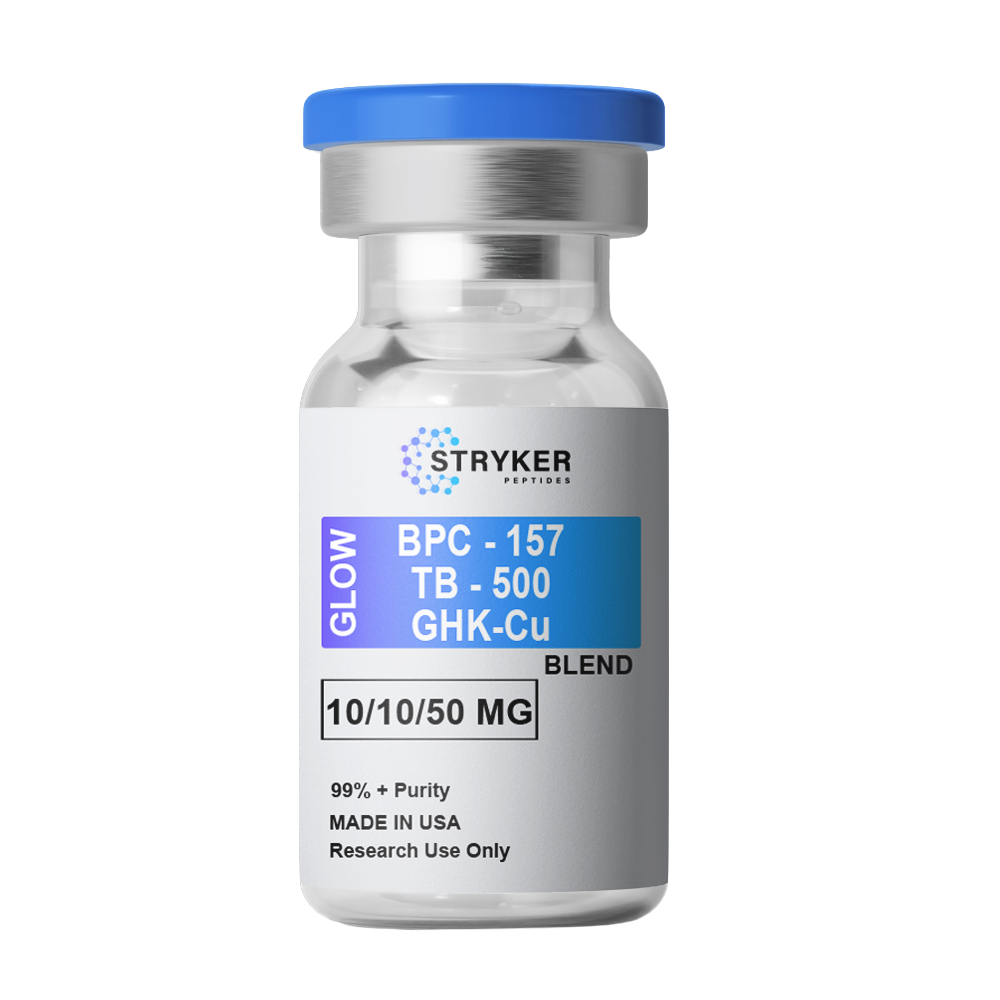
GLOW Blend
$150.00 -

GLP- S (10mg)
$130.00 -

GLP-T (30mg)
$250.00 -
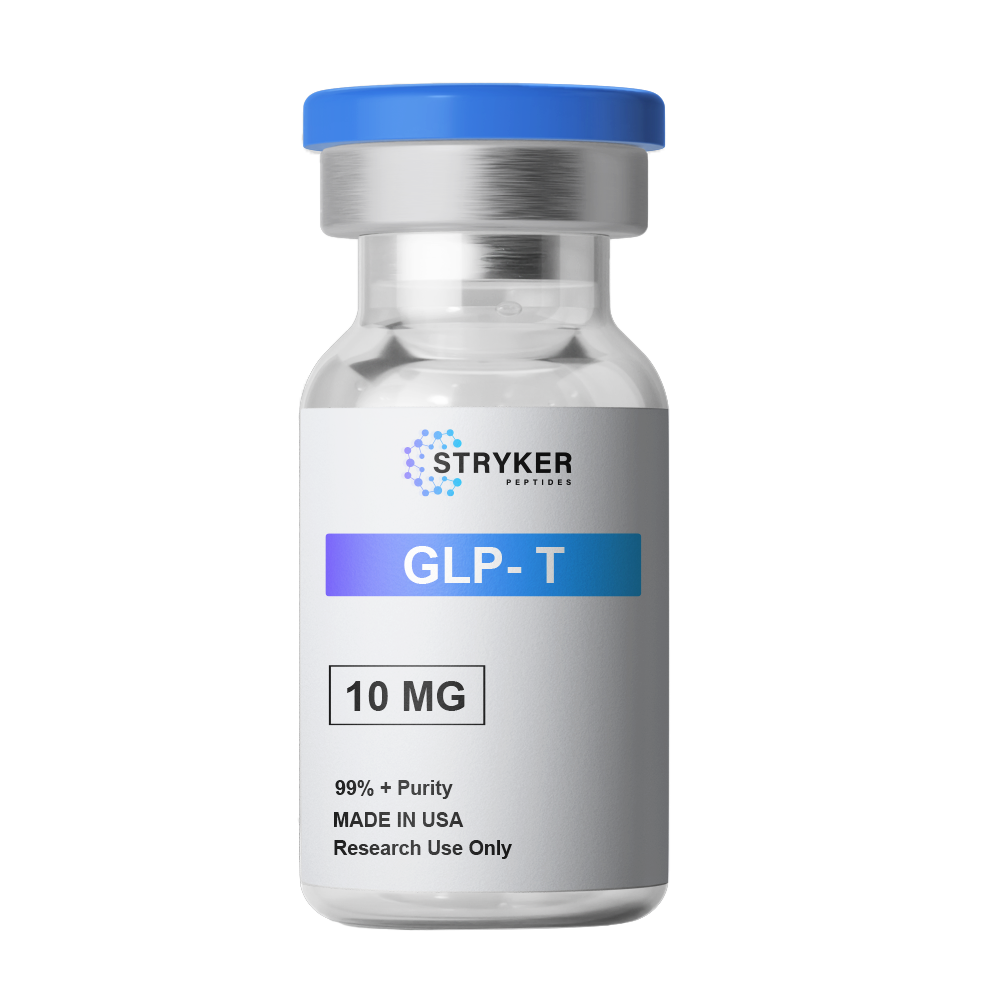
GLP-T (10mg)
$140.00 -

Glutathione 1500mg
$120.00 -
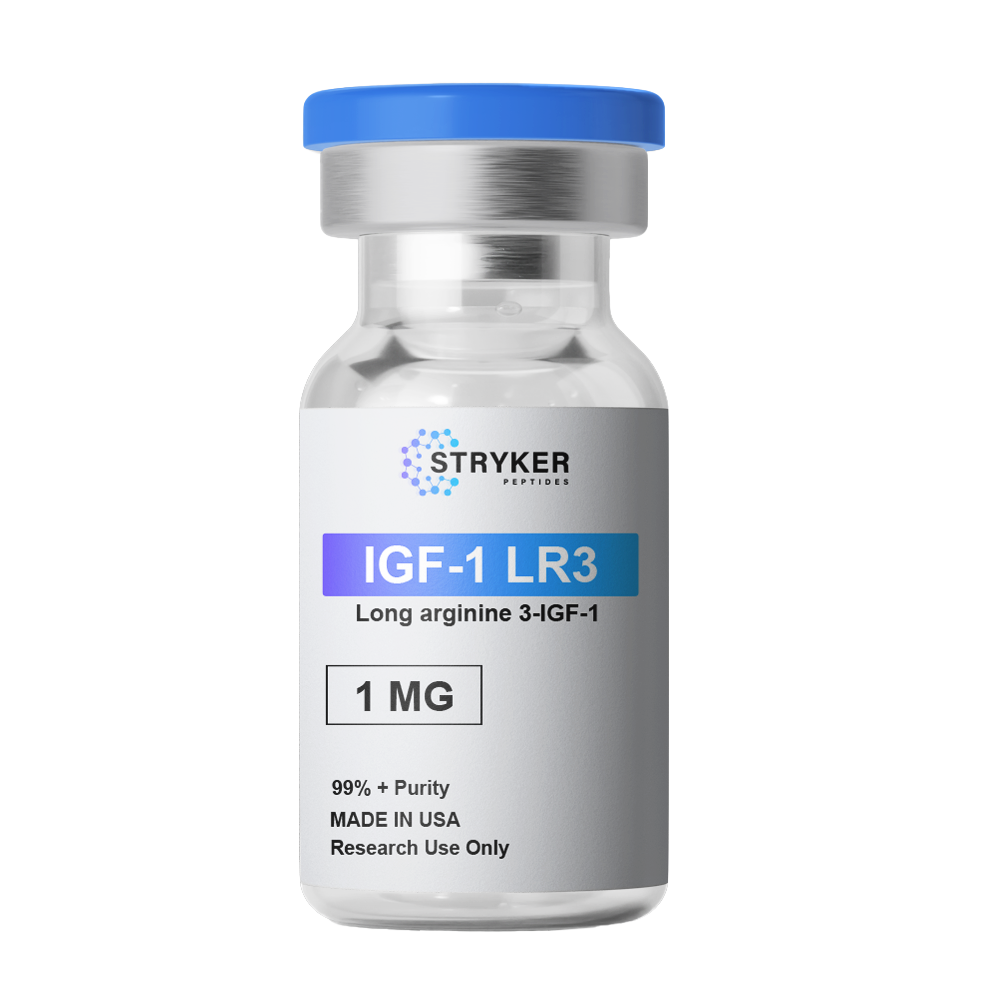
IGF-1 LR3 (1 mg)
$80.00 -
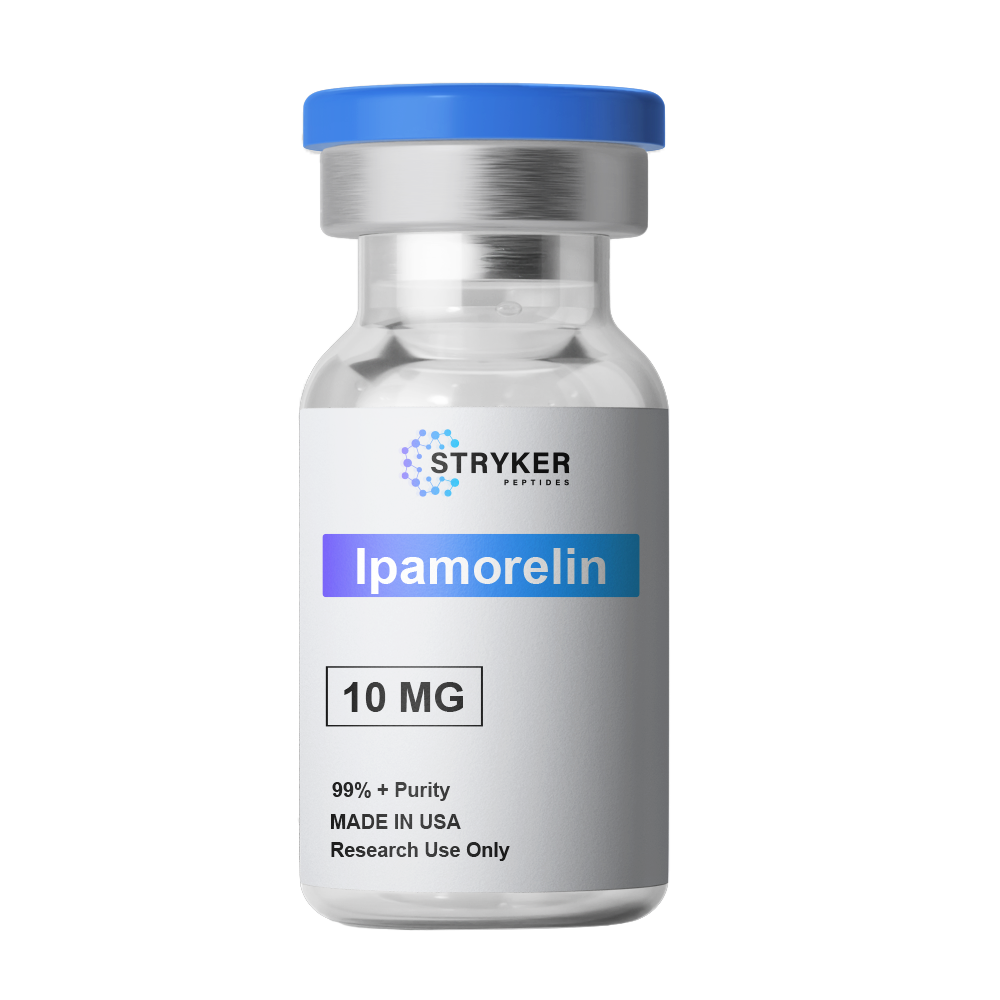
Ipamorelin 10mg
$85.00 -

Kisspeptin 10mg
$80.00 -
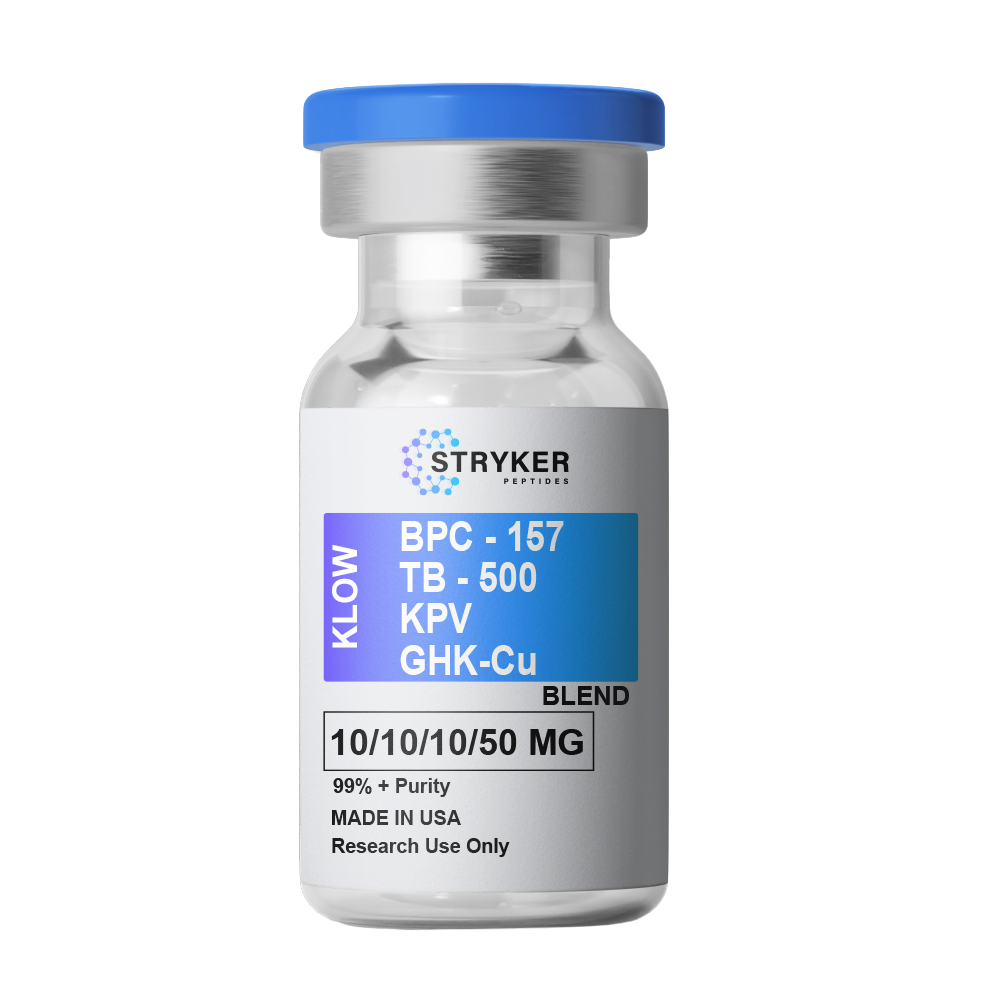
KLOW Blend
$175.00 -

KPV (Ac-KPV-NH2) 10 mg
$65.00 -
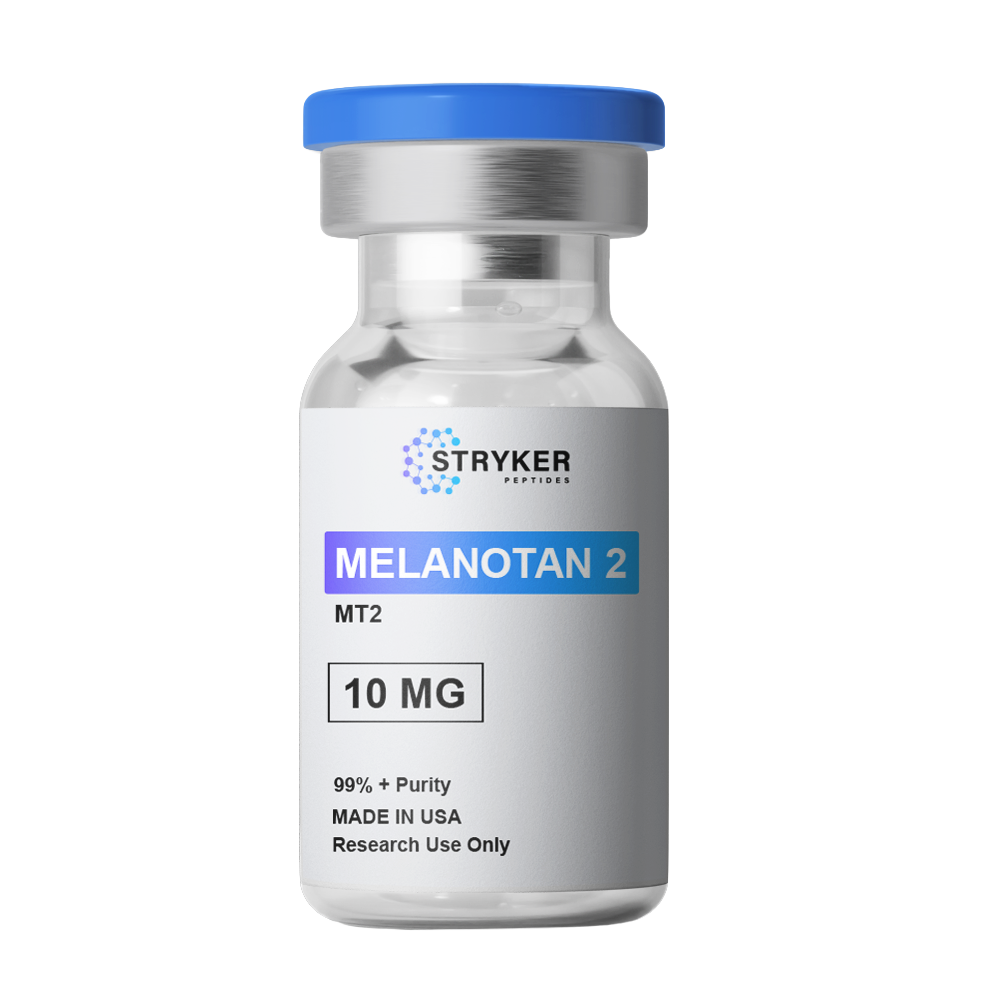
Melanotan 2 (10mg)
$50.00 -
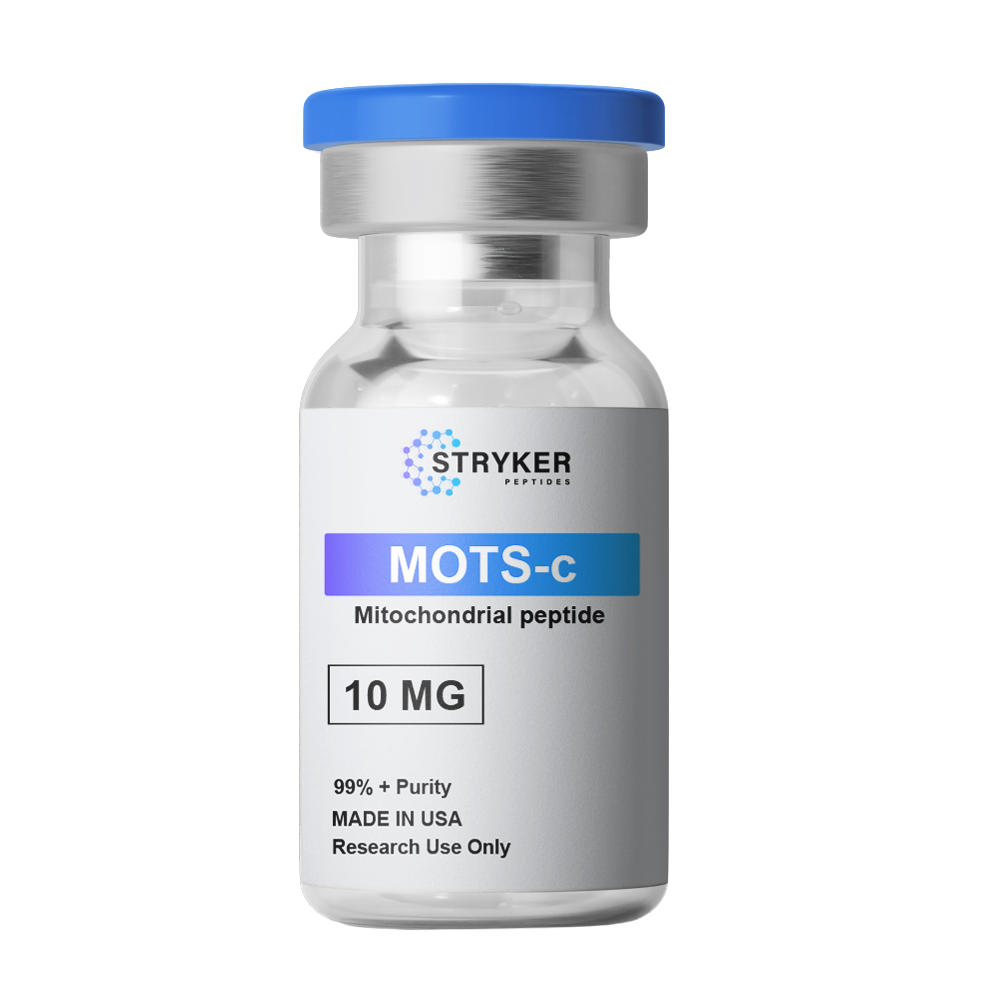
MOTS-c 10 mg
$75.00
GLP PEPTIDES
What Are Research Peptides?
Peptides are short chains of amino acids, the same building blocks that make up proteins. Unlike full proteins, peptides are smaller, often containing 2–50 amino acids. Their size allows them to act as signaling molecules in the body, influencing various biological processes. In a research setting, peptides are studied for their potential applications in medicine, performance optimization, and biotechnology.
1. Advancing Medical Research
Peptides are being investigated as potential treatments for hormonal deficiencies, metabolic disorders, autoimmune conditions, and neurological diseases.
2. Targeted Mechanisms
Unlike many pharmaceuticals, peptides tend to act with high specificity — ideal for studying receptor signaling pathways and tissue repair.
3. Regenerative Potential
Several peptides are under investigation for their ability to stimulate collagen production, accelerate wound healing, and promote tissue repair.
We are on the Frontline of Peptide Research in the USA
Stryker Peptides holds our products to the highest of standards and quality. We take pride in testing our products in premium lab facilities in the USA. Our team of scientists and researchers are dedicated to leading innovation and developing peptides and proteins of the purest qualities. Each product undergoes mandatory batch testing with advanced HPLC and MS analysis in order to provide exceptional quality and support to groundbreaking research.